You should expect more from your law firm than only excellent legal counsel. Delivering for our clients also means holding ourselves to the highest standards of service, performance, and innovation.
Every client has a different vision for success, so we adapt a custom approach for each of them. We help you identify your goals to craft pragmatic, unique, and efficient solutions that deliver value the way you define it.
For nearly 100 years, we’ve served clients around the world from our strategically situated offices in Michigan, Illinois, Texas, Washington, D.C., California, Minnesota, and Wisconsin. Through our practice management structure and our focused Industry Groups, we know and understand the sectors in which our clients compete, from Automotive to Energy, from Gaming to Financial Institutions.
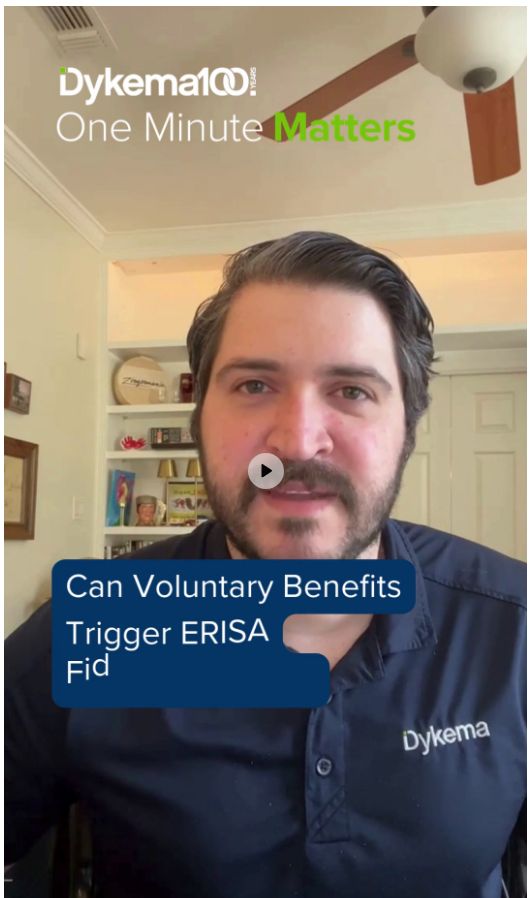
If your voluntary benefits are employee-funded, they’re exempt from ERISA… right? Not necessarily.
In late December, Schlichter Bogard filed a series of class actions alleging that voluntary benefits programs like accident, critical illness, and hospital indemnity coverage don’t qualify for the Department of Labor’s safe harbor exemption.
Plaintiffs argue that common employer actions (sending enrollment reminders, including the employer’s logo on communications, endorsing the coverage) push these programs into ERISA coverage, triggering fiduciary duties that weren’t being met.
If your company offers voluntary benefits, now’s the time to audit whether your administration actually qualifies for the safe harbor. The line between “offering” and “endorsing” just became critically important.
The content of this article is intended to provide a general guide to the subject matter. Specialist advice should be sought about your specific circumstances.