

- within Employment and HR topic(s)
- within Antitrust/Competition Law, Law Practice Management and Privacy topic(s)
Employers today face an increasingly complex landscape when managing employee leave and accommodations. Overlapping federal mandates, evolving pregnancy-related requirements, and a growing patchwork of state laws mean even well-intentioned organizations risk compliance missteps often leading to costly litigation, disputes, and strained employee relations.
As a panelist on SHRM's webinar, "Managing Employee Leave and Accommodations in 2025: Practical Strategies for HR Compliance and Risk Reduction," I joined the discussion on how to balance these overlapping laws while minimizing risk. Employers frequently navigate multiple obligations under federal and state regulations when addressing employees' medical or mental health needs. A collaborative approach with employees typically delivers the best outcomes.
Key themes discussed during the webinar:
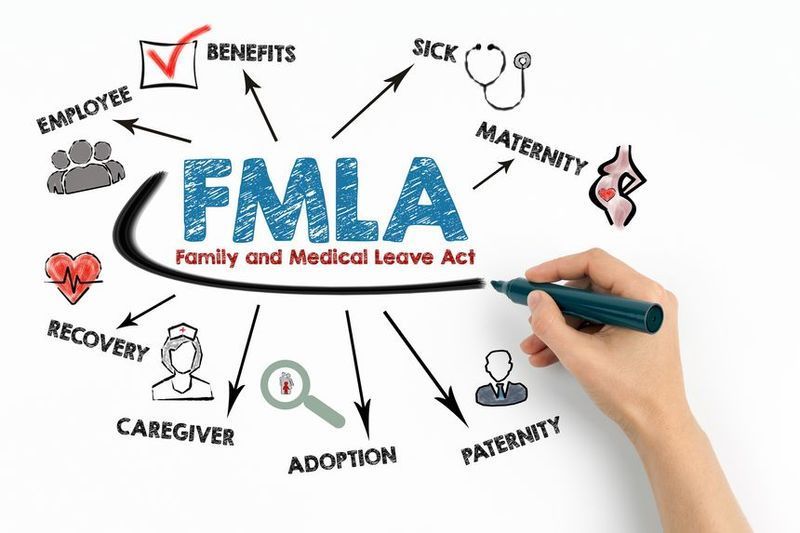
- Complex Compliance Landscape: Employers must juggle FMLA, ADA, PWFA, and state-specific rules. Outdated policies can lead to costly litigation.
- Pregnancy-Related Updates: Federal changes require proactive adjustments to accommodation processes.
- Interactive Process Matters: A clear, documented approach from request to resolution is essential for legal defensibility.
Practical tips for employers:
- Audit and update leave and termination policies.
- Train managers on documentation and communication best practices.
- Standardize handling of intermittent and extended medical absences.
- Strengthen support for pregnancy accommodations
Getting leave and accommodations right isn't just about compliance; it's about protecting your organization and supporting employees effectively.
The content of this article is intended to provide a general guide to the subject matter. Specialist advice should be sought about your specific circumstances.
[View Source]