
- within Law Department Performance, Consumer Protection, Litigation and Mediation & Arbitration topic(s)
- with readers working within the Business & Consumer Services industries
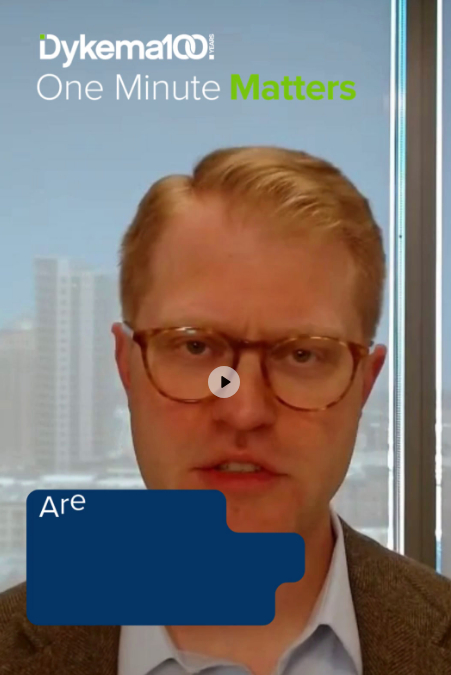
Two recent developments are raising the stakes for employer DEI programs, and both deserve attention from HR and legal teams.
On February 18, the EEOC sued Coca-Cola Beverages Northeast for sex discrimination over an employer-sponsored event that excluded male employees. The claim alleges that providing female employees paid time off to attend while excluding male employees violated Title VII.
Texas Attorney General Ken Paxton also issued an opinion identifying common corporate DEI practices that may create liability under federal and state antidiscrimination law, including workforce demographic goals, identity-based mentorship programs, and employee resource groups with demographic components.
Key takeaways:
- Title VII applies to employer-sponsored events and benefits, not just hiring and firing
- After Muldrow v. City of St. Louis, plaintiffs only need to show "some" harm, not "significant" harm
- Common DEI practices are under heightened scrutiny from federal and state enforcers
- Equitable access and compliance review are now critical for all employer programs
The content of this article is intended to provide a general guide to the subject matter. Specialist advice should be sought about your specific circumstances.
