

How IP Protects Some of the Most Iconic Holiday Brands
For most of us, the Christmas season brings to mind countless brands tied to holiday memories or traditions, whether from our own childhood or as experienced through the eyes of our children. Here at Klemchuk, we decided to fully embrace the nostalgia with a deep dive into some of the most iconic—and long-standing—holiday brands that enjoy trademark protection even today.
The Coca-Cola Santa
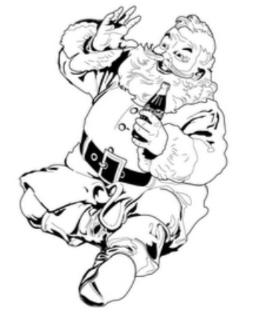
While Coca-Cola does not have rights to Santa Claus, in general, they do own trademark rights in the iconic Coca-Cola Santa (below), which was created in 1931 by artist Haddon Sundblom. Even beyond the longstanding common law rights, the existing trademark registration covers a variety of holiday-related goods, including mugs, Christmas décor, and toys.
The Budweiser Clydesdales
In addition to common-law rights, Anheuser-Busch owns federal trademark registrations related to its famous Clydesdales. The tradition began in 1933 when sons August Busch, Jr. and Adolphus Busch III gifted their father, August Busch, Sr., with a six-horse Clydesdale hitch to celebrate the end of Prohibition. The six-horse team soon expanded to an eight-horse team drawing the red, gold, and white beer wagon. The dalmatian mascot was added in 1950 to guard the horses while the drivers made deliveries. The company maintains numerous federal trademark registrations, including the term "Clydesdales" and a number of Clydesdale logos.
Rudolph the Red-Nosed Reindeer
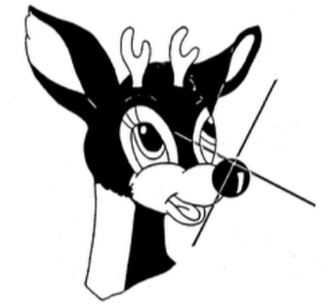
And who can forget Rudolph? The Rudolph Company, L.P. owns the rights to everyone's favorite reindeer and the leader of Santa's sleigh. The wordmark for "Rudolph the Red-Nosed Reindeer" dates back to 1947, with use of the iconic animated logo (below) appearing on goods as early as 1977.
Hallmark
Perhaps one of the oldest and most recognizable holiday brands, Hallmark maintains an entire family of marks related to the Christmas holidays. From a federal trademark registration covering their "Christmas seal" in 1957 to numerous marks for holiday greeting cards and gift wrap, Christmas ornaments, Christmas trees and wreaths, toys, and those cringeworthy (but much-beloved) Hallmark Christmas movies, Hallmark has certainly maintained (and protected) its share of the holiday market.
Frosty the Snowman
Not to be outdone, Warner Bros. (as a part of NBCUniversal) has registered its own family of holiday trademarks for "Frosty the Snowman." The earliest registration for the famous frozen friend records first use of the mark all the way back to 1953. Later-filed marks expanded the scope of protection from books and merchandise related to the animated series to clothing, books, and toys.
Dr. Seuss's How the Grinch Stole Christmas
Dr. Seuss Enterprises also maintains an extensive family of federal registrations for "How the Grinch Stole Christmas," and "Grinch," offering protection not only to the original animated holiday movie but a wide range of goods including cosmetics, clothing, computer accessories, blankets, and toys.
The content of this article is intended to provide a general guide to the subject matter. Specialist advice should be sought about your specific circumstances.
