

Key Takeaways:
- Real-world transactions reveal that clean financials and normalized EBITDA are critical to building trust with buyers.
- Culture and leadership alignment often mean the difference between a smooth exit and a failed integration.
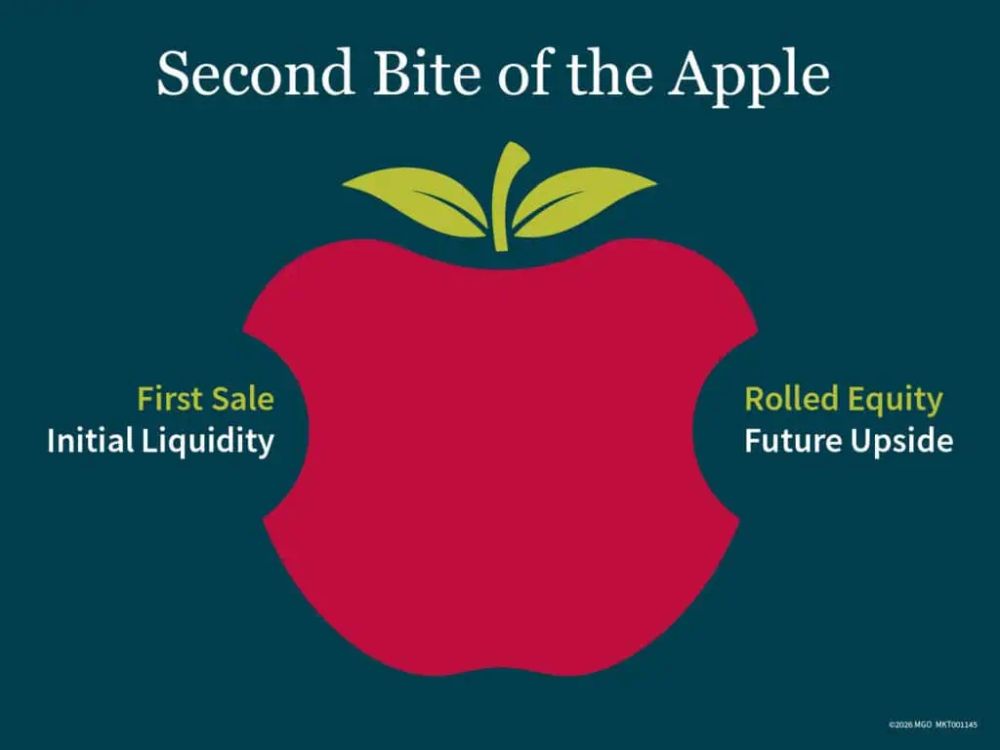
- Rolling equity offers owners a chance at a "second bite of the apple" with future upside.
Preparing for a business exit isn't something you do once an offer lands on your desk — it's a process that shapes your company's value long before negotiations begin. Buyers look for discipline, transparency, and signals that your operations can withstand due diligence.
The frequently asked questions (FAQs) below answer the most common exit questions business owners ask about financials, culture, and deal structures.
When should I start preparing for an exit?
Owners who wait until an offer appears are already behind. In one transaction we reviewed, a strong company lost momentum in negotiations because their accounting records weren't investor-ready. Preparation years in advance — through audits, clean reporting, and system improvements — builds confidence and keeps options open.
Why do financials derail so many deals?
Time and again, deals collapse because books are messy or incomplete. Buyers expect exact financials, proper inventory tracking, and clear separation of recurring versus one-time revenue. In several cases, overstated revenue or inconsistent reporting reduced offers by millions or ended negotiations entirely.
What is "normalizing EBITDA" and why does it matter?
Normalizing earnings before interest, taxes, depreciation, and amortization (EBITDA) is one of the most misunderstood yet important steps in valuation. Adjusting for owner-related expenses, above-market salaries, or one-off costs provides a clearer picture of sustainable profitability. In practice, we've seen this process increase reported EBITDA significantly — unlocking higher valuations once buyers had confidence in the adjustments.
How important is culture in a sale?
Culture often decides whether a deal succeeds beyond the closing table. In one case, an owner chose to join a larger organization not just for financial reasons but because of alignment with values and leadership style. Buyers consistently evaluate whether teams will stay engaged and whether employees will thrive in a new structure. A strong culture increases valuation and eases integration.
What is a "second bite of the apple"?
Many private equity transactions allow owners to sell a majority stake while keeping equity in the new entity. As the business scales with institutional capital and professional management, that kept stake often becomes even more valuable. In one exit we saw, the owner's rolled equity nearly doubled in value within a few years, creating significant added wealth beyond the first transaction.
Lessons for Business Owners
These real-world examples show the most common owner questions — about timing, financials, culture, and deal structure — are not theoretical. They are lessons learned through deals that either succeeded or stumbled. The takeaway is clear: exit readiness is about more than numbers. It is about building trust, proving sustainability, and aligning people as much as financials.
The content of this article is intended to provide a general guide to the subject matter. Specialist advice should be sought about your specific circumstances.

