

A piece of fabric is rarely just a piece of fabric. Across Africa, textiles such as Ankara, Kente, Adire, Shweshwe and the Basotho blanket can signal identity, origin, family, ceremony, solidarity and memory. Their value lies not only in their beauty, but in the cultural meanings carried through colour, pattern, technique and use.
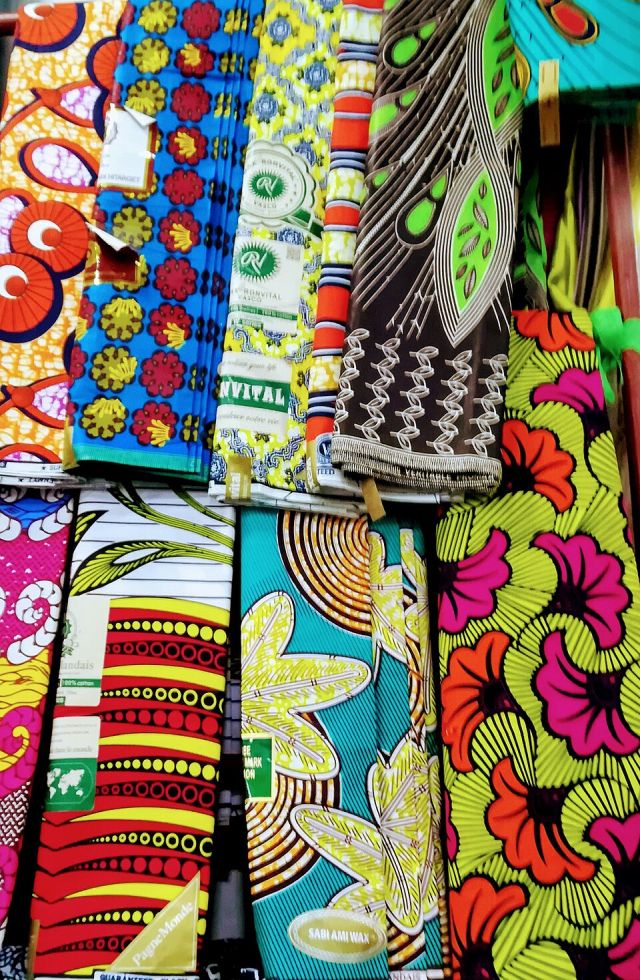
This is where culture and fashion meet intellectual property (“IP”) law. IP law protects creations such as designs, brands, artworks and inventions. In fashion, it may protect a new print, garment design, logo or brand name. But the position becomes more complex when inspiration comes from patterns, symbols or names shaped by communities over generations.
Traditional cultural expressions (“TCEs”) include designs, signs, symbols, names, handicrafts, performances and other forms of cultural expression that form part of a community’s heritage. In fashion, they may appear through weaving styles, embroidery, colours, silhouettes, motifs or textile names. Some may be capable of protection through mechanisms such as collective marks, certification marks or geographical indications. Others may not be formally protected, despite having deep cultural significance.
The difficulty is that IP law is generally better at protecting what is new than what is old, collective and inherited. A designer who adapts a traditional motif may obtain copyright, design or trade mark protection for their new expression. That protection, however, will usually cover the new work, not the cultural source material itself. This can create an uncomfortable gap: a brand may commercialise heritage-linked patterns, claim an aesthetic as its own, or be praised for “discovering” designs that communities have used, guarded and developed informally for years.
African textiles should not be treated as though they share a single history. Ankara is widely associated with West and Central African fashion, although its history is also linked to European adaptations of Indonesian batik techniques. Kente is closely connected to Ghanaian Asante and Ewe weaving traditions, where colours and patterns can carry specific meanings. Shweshwe is embedded in South African dress and identity. The Basotho blanket is strongly associated with Lesotho and carries meaning far beyond warmth or style.
These examples show why a one-size-fits-all approach does not work. Some textiles are tied to places, some to particular communities, and some have travelled, changed and been reinterpreted over time. Many sit between tradition, commerce, identity and contemporary design.
Some African legal frameworks have recognised this complexity through specific protections for traditional knowledge and folklore, including in Ghana, Nigeria and Kenya, as well as regional initiatives such as the African Regional Intellectual Property Organisation (“ARIPO”) Swakopmund Protocol. These developments reflect a growing understanding that consent, attribution and protection against misuse matter.
For designers and brands, the better question is not simply, “Can I use this pattern or name?” But it is also: “Where does it come from, who has preserved it, who should be credited, who should benefit and should it be privately owned at all?”
Creativity need not stop. Fashion has always borrowed, travelled and reinvented. But creativity is strongest when it is honest about its roots. The goal should not be to lock culture away, but to ensure that when culture inspires design, the communities behind it are not written out of the story.
To hear more on this conversation, listen to our podcast here.
*Reviewed by Craig Shapiro, Executive in ENS’ Intellectual Property Department
The content of this article is intended to provide a general guide to the subject matter. Specialist advice should be sought about your specific circumstances.
[View Source]