
Our team has completed jury research projects on several bad faith cases, gaining insight into how jurors understand and interpret the concept of “bad faith.” Because this idea can be difficult for lay jurors to grasp, we are sharing key findings and practical guidance for communicating it effectively in the courtroom.
Jurors who survive voir dire must sit through opening arguments and hear testimony from claim handlers and expert witnesses. Their attention may fluctuate throughout proceedings, and then they are presented with the jury instructions before being sent off to deliberate. At that point, jurors’ internal definition of bad faith often drives the outcome—but what do they believe it actually means?
What the Data Shows
We have posed this question to mock jurors in venues across the country. Below is an example of one group’s responses.
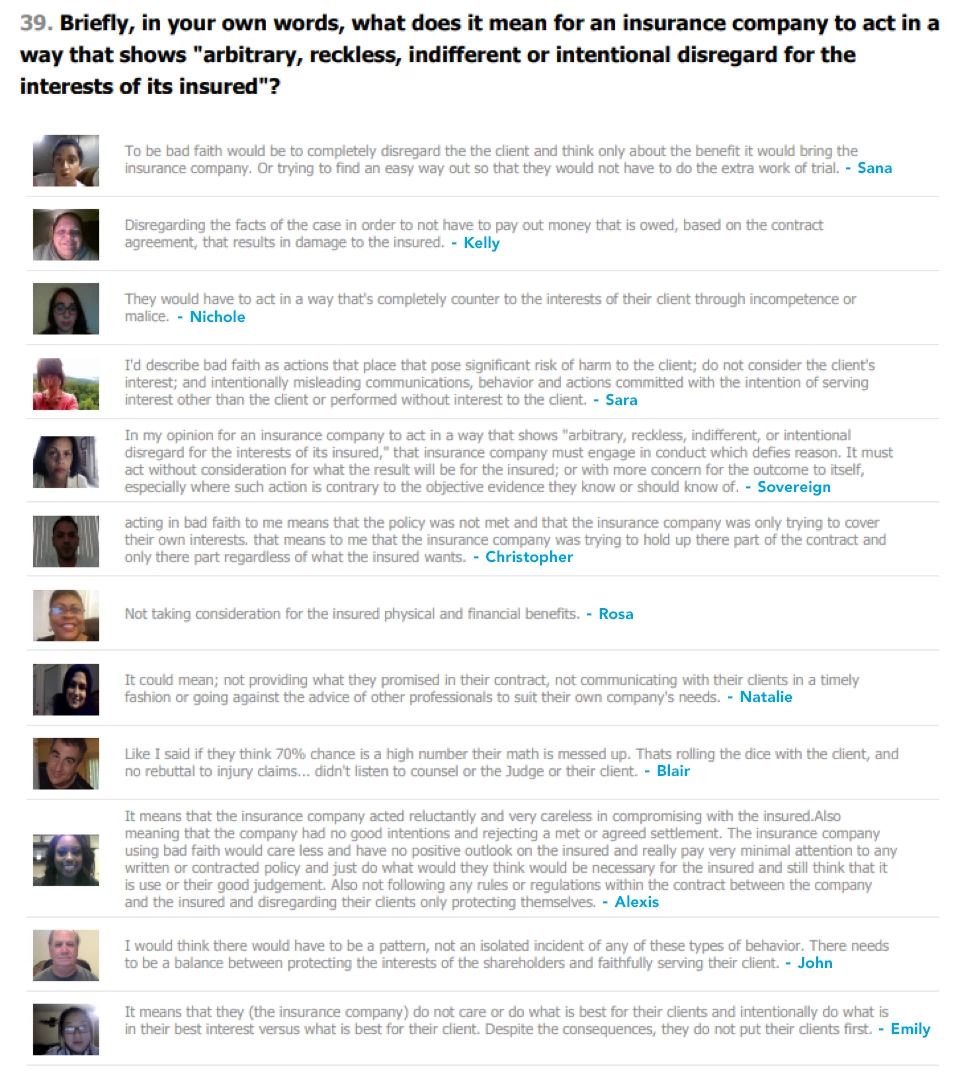
The data reveals consistent, strategically important patterns in how jurors define bad faith:
- 43% of these jurors saw bad faith as “selfishness, believing the claim handler prioritized what was best for the insurer over the insured
- 37% described it as conduct that actively works against the insured’s interests
- Additional descriptors included “disregard,” “harm,” and “unfair treatment”
Because the legal definition of bad faith varies by jurisdiction, trial narratives must help jurors understand the local legal standard. As attorney Dale Swope of Swope Rodante explained, some jurisdictions require only proof that an insurer failed to settle when it could and should have, not evidence of selfish conduct.
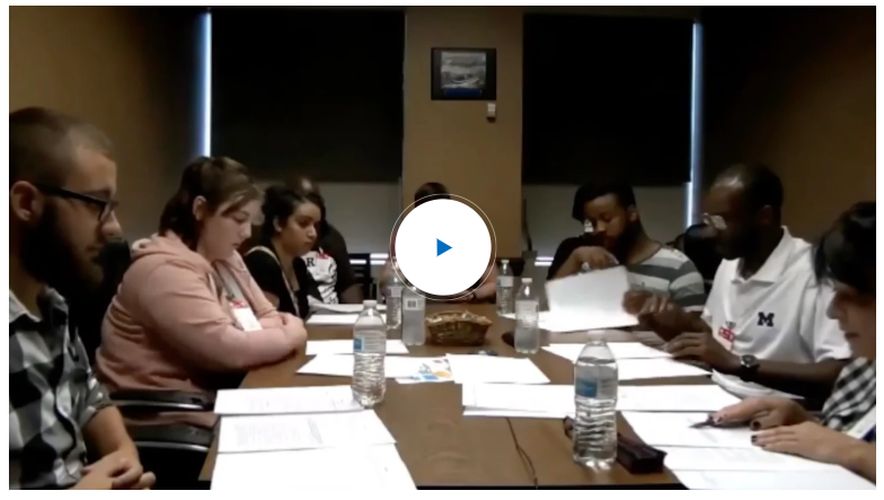
This short video clip of mock jurors deliberating the definition of bad faith illustrates how they thought through the issues.
What Attorneys Should Know
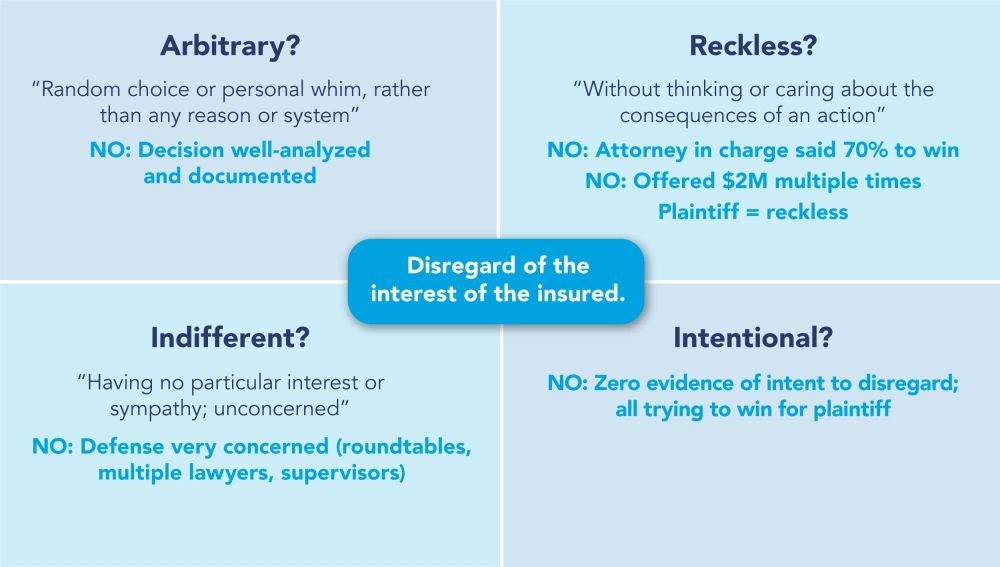
For plaintiffs, this means avoiding legalese and translating jury instructions into concepts jurors already understand, such as selfishness or causing harm. For the defense, success depends on jurors’ understanding of how the applicable law defines bad faith and how each element must be met. Visual aids are particularly effective in explaining these layered legal requirements and reinforcing the key arguments.
Why Framing Is Critical
Ultimately, verdicts in bad faith litigation often turn on whether jurors apply the law as written or rely on instinct to make decisions. Effective trial advocacy bridges that gap by translating legal standards into clear, juror-centered narratives that keep deliberations grounded in the court’s instructions.
Originally published by First Court in 2024; updated/republished by IMS Legal Strategies in 2026. Read about our strategic union here.
The content of this article is intended to provide a general guide to the subject matter. Specialist advice should be sought about your specific circumstances.
[View Source]