

Nobel Prize winner Paul Krugman famously said, “productivity isn’t everything, but, in the long run, it is almost everything.” His reasoning was that increases in productivity are the main way a country can improve standards of living over time. This is also true in the GCC, with national transformation plans—such as Saudi Vision 2030 and Qatar National Vision 2030—placing economic diversification and productivity‑led growth at their core. The message is clear: Relying on natural resources alone is no longer enough. Improving productivity, particularly in non‑oil sectors (such as manufacturing, financial services, renewable energy, technology, and tourism), is crucial.
In this white paper, Senior Managing Director Daniel Hanson, Senior Analyst Daisy Chu, Analyst Margot Cintract, and Associate Analyst Alex Kennedy discuss how:
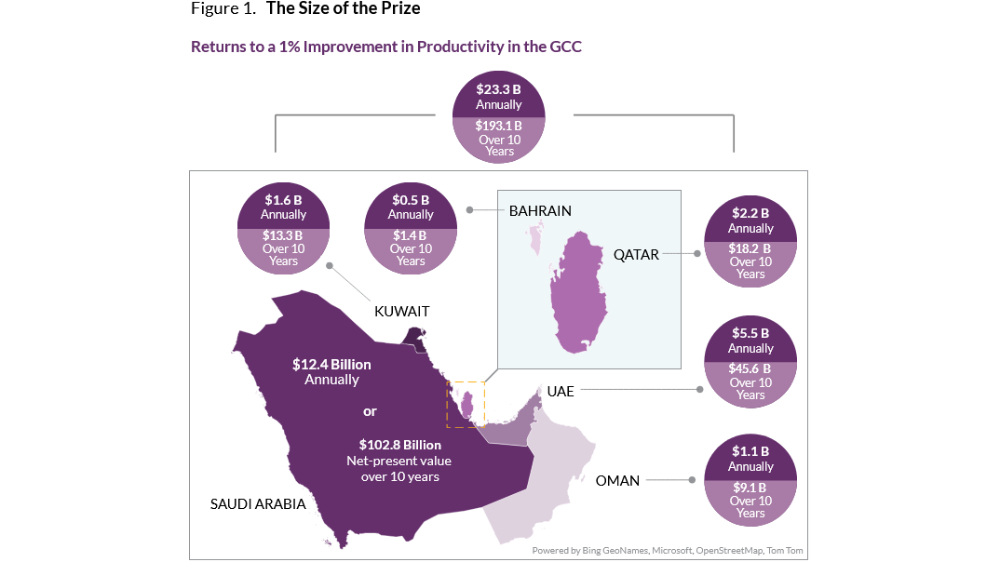
- Even modest improvements in productivity can generate significant economic value for resource-rich economies, particularly as governments pursue diversification and long-term resilience beyond hydrocarbons.
- Econometric analysis provides a rigorous, evidence-based framework for identifying the policies, investments, and structural factors that most meaningfully influence productivity growth.
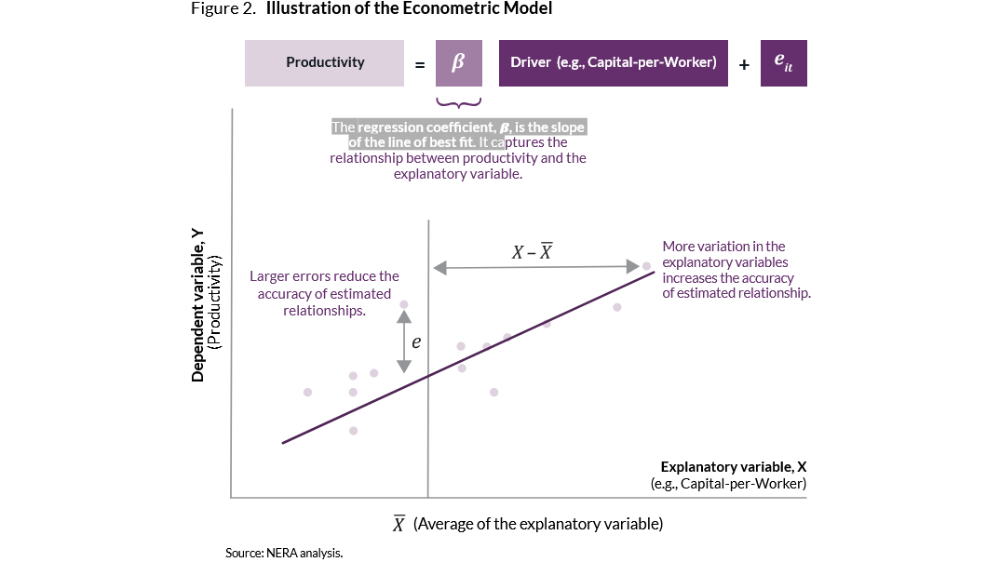
- Productivity outcomes are shaped by a combination of drivers—including capital investment, innovation, education, financial systems, and technology adoption—for which impacts can be empirically quantified and compared.
- Advanced econometric techniques allow policymakers and business leaders to assess expected economic impacts and the uncertainty and trade-offs associated with different policy choices.
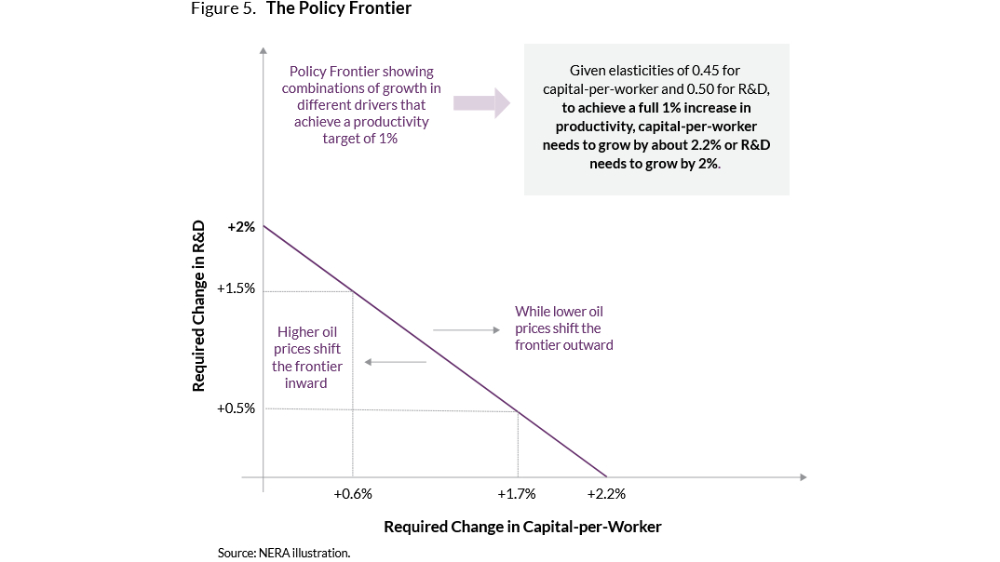
- The “Policy Frontier” approach demonstrates how econometric insights can be translated into practical decision-making frameworks that balance return, risk, and changing external conditions such as oil-price volatility.
- Econometrics can help governments, regulators, and institutions make defensible strategic decisions that withstand scrutiny and support sustainable, productivity-led growth.
To download publication, please click here.
The content of this article is intended to provide a general guide to the subject matter. Specialist advice should be sought about your specific circumstances.
[View Source]